Ideas
Can I live in my coach house while renting my main house?
Published · Updated
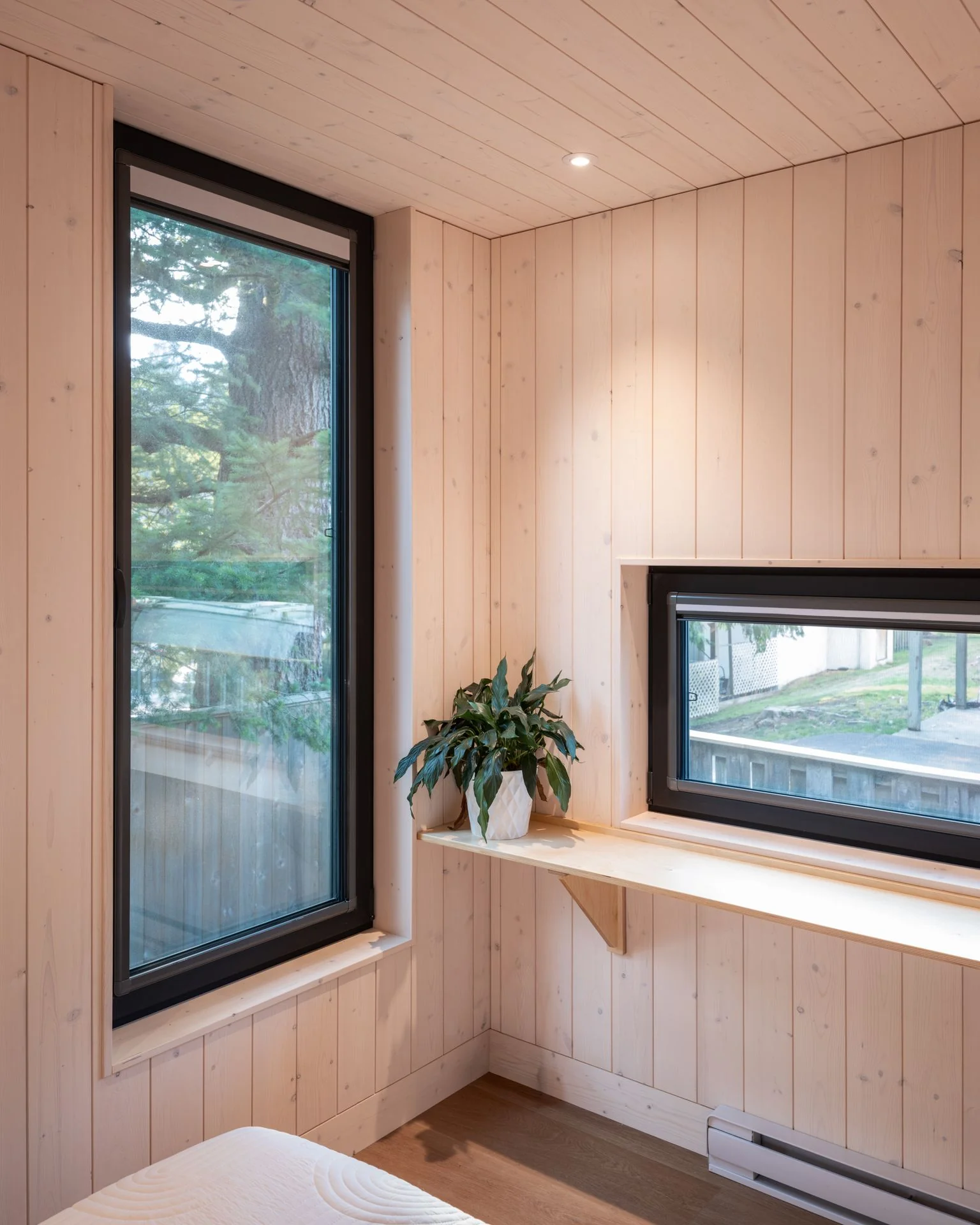
Moving into a smaller home on your own property can let you stay in the neighbourhood while changing how you use the main house. Some homeowners want less space to maintain. Others want to live closer to family or make room for long-term tenants in the larger home.
An ADU can support that arrangement when the dwelling, occupancy and rental use meet the applicable requirements. Confirm those details for the actual property before building the financial plan around them.
Design the ADU as your everyday home
A layout that works for occasional guests may feel different when you live there full time. Start with the rooms and routines you use every day: cooking, laundry, sleeping, working and storing outdoor gear.
Check whether your furniture fits and whether there is useful storage without filling the living area. A separate bedroom, a comfortable bathroom and an entrance that stays practical in wet weather can matter more than adding another small room.
If the home is part of a long-term plan for aging in place, consider stairs, doorways, bathroom layout and access from the street. A ground-level home and a carriage house above a garage have different access requirements. These decisions are easier to make before choosing a standard model.
Plan the relationship between both homes
Think through how each household will arrive, receive deliveries, take out bins and use the yard. Entrances, windows, decks and pathways should give both homes a reasonable sense of privacy.
Utility arrangements also deserve attention. Decide what needs to be separately metered, how internet will reach the ADU, and how the systems can be maintained without repeatedly entering the other home. Include fences, landscaping and outdoor storage in the scope if they are part of making the arrangement work.
Check the rental plan separately
Long-term tenancy and short-term visitor accommodation follow different rules. Permission to build an ADU does not establish permission to offer either dwelling on Airbnb. Municipal bylaws, provincial requirements, insurance and any financing conditions need to align with the intended use.
For a long-term rental plan, use realistic local rent information and allow for maintenance, operating costs and periods without a tenant. A lender or adviser can help assess borrowing and tax implications. Rental income should support a considered budget rather than substitute for one.
Choose the construction approach around the lot
Modular, panelized and custom homes can all be considered. A standard model may be useful if its layout fits your needs and the site can accommodate delivery. A custom approach may suit a difficult lot or a specific access and layout requirement.
The comparison needs to include the finished home, foundations, services, permits and site work. Also plan how you will use the property during construction and when the main house can sensibly become a rental.
We can work through the site and design choices with you, coordinate the planning and construction, and help turn the intended living arrangement into a clear project scope.